Dr Caroline Williams on the role of a library in a modern university
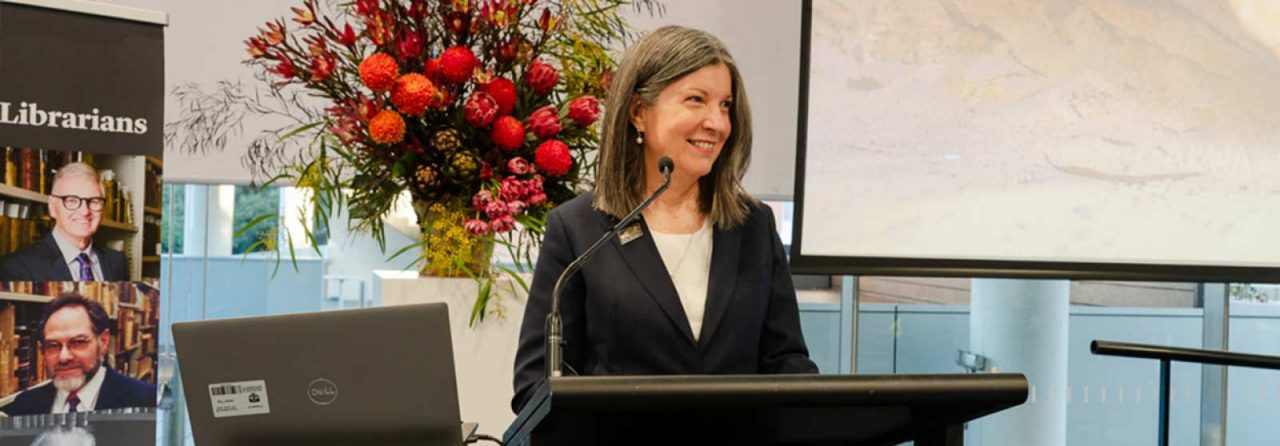
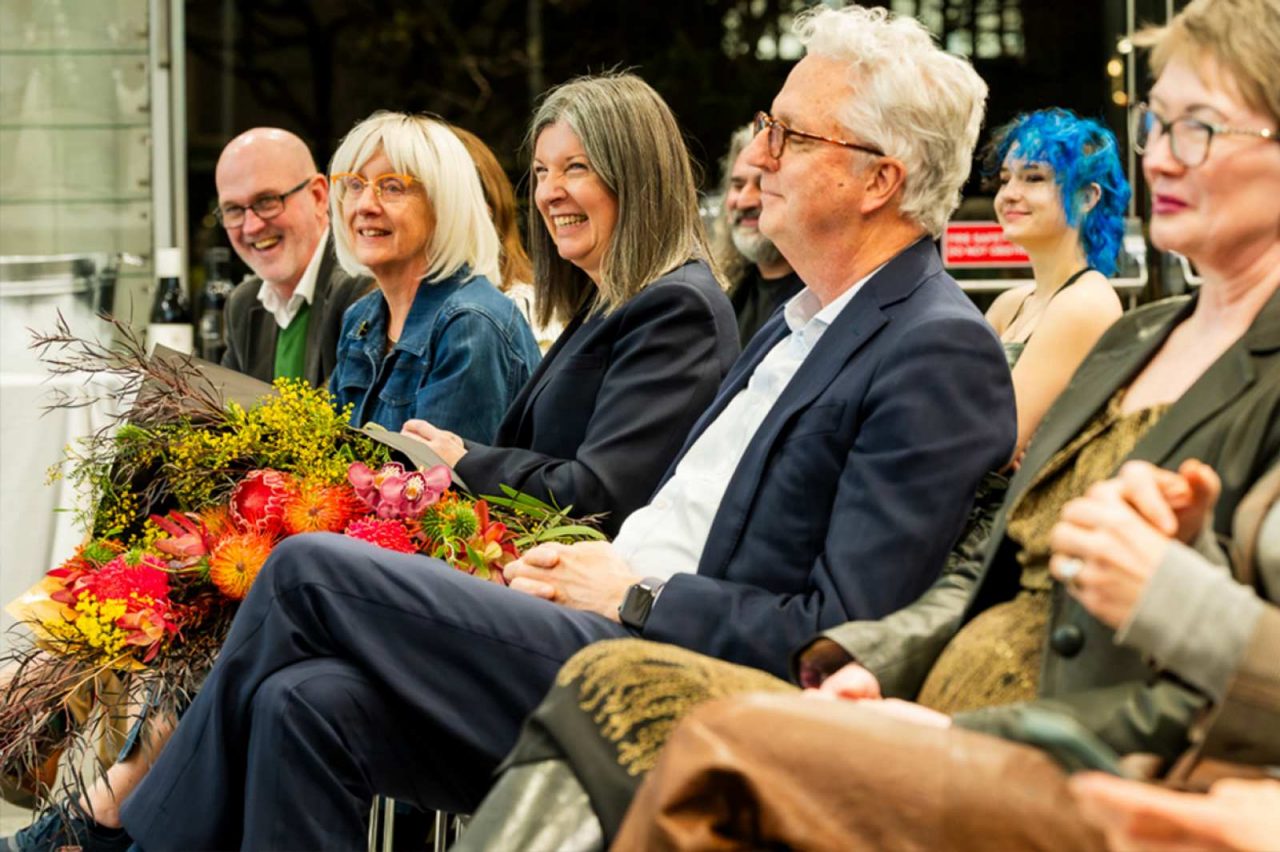
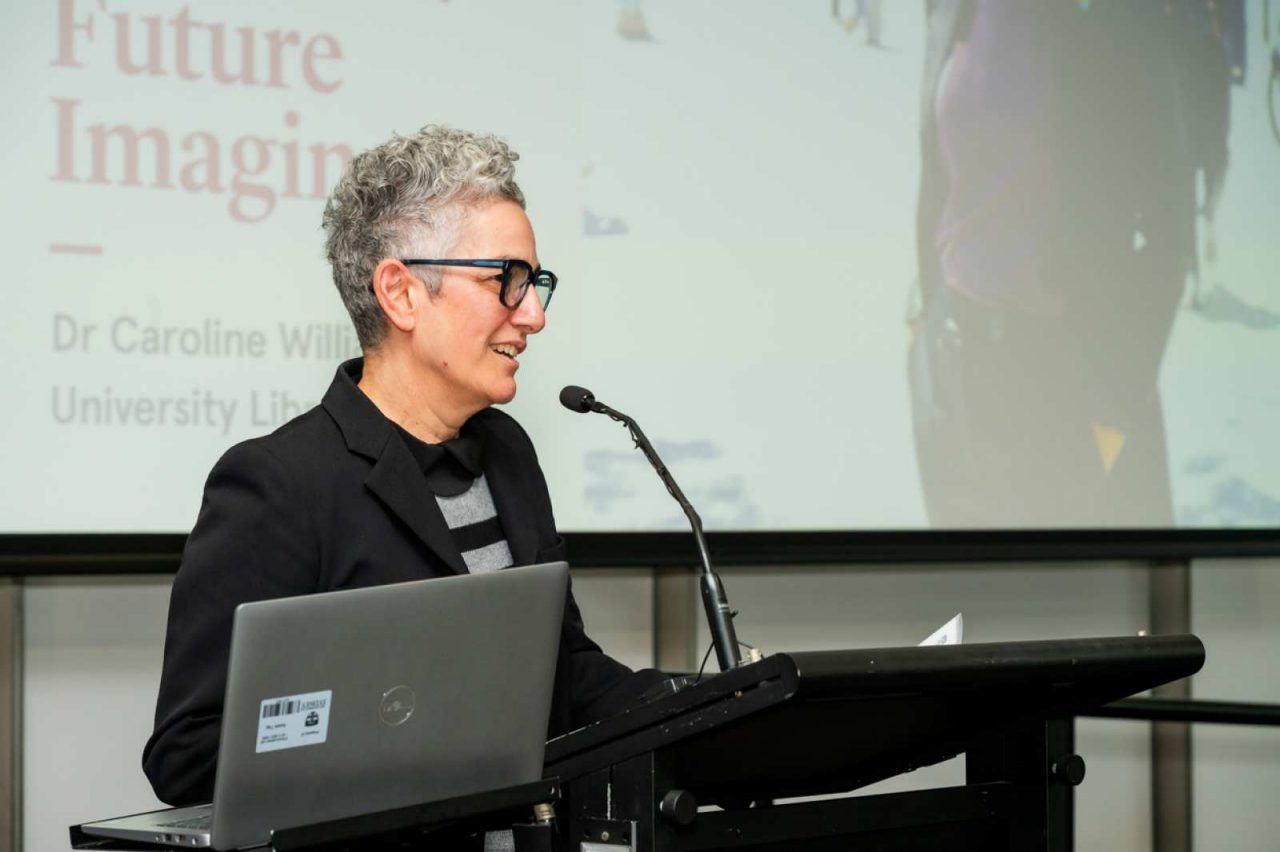
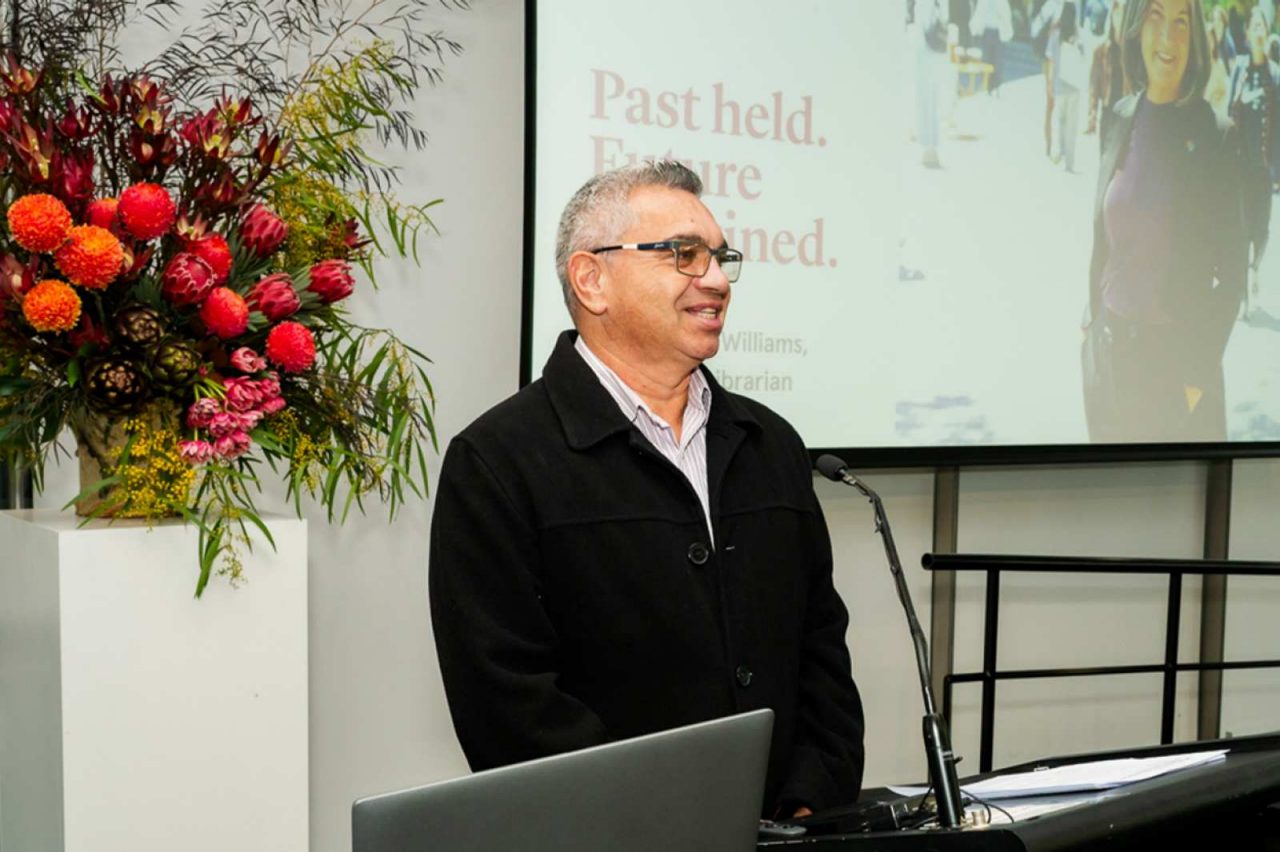
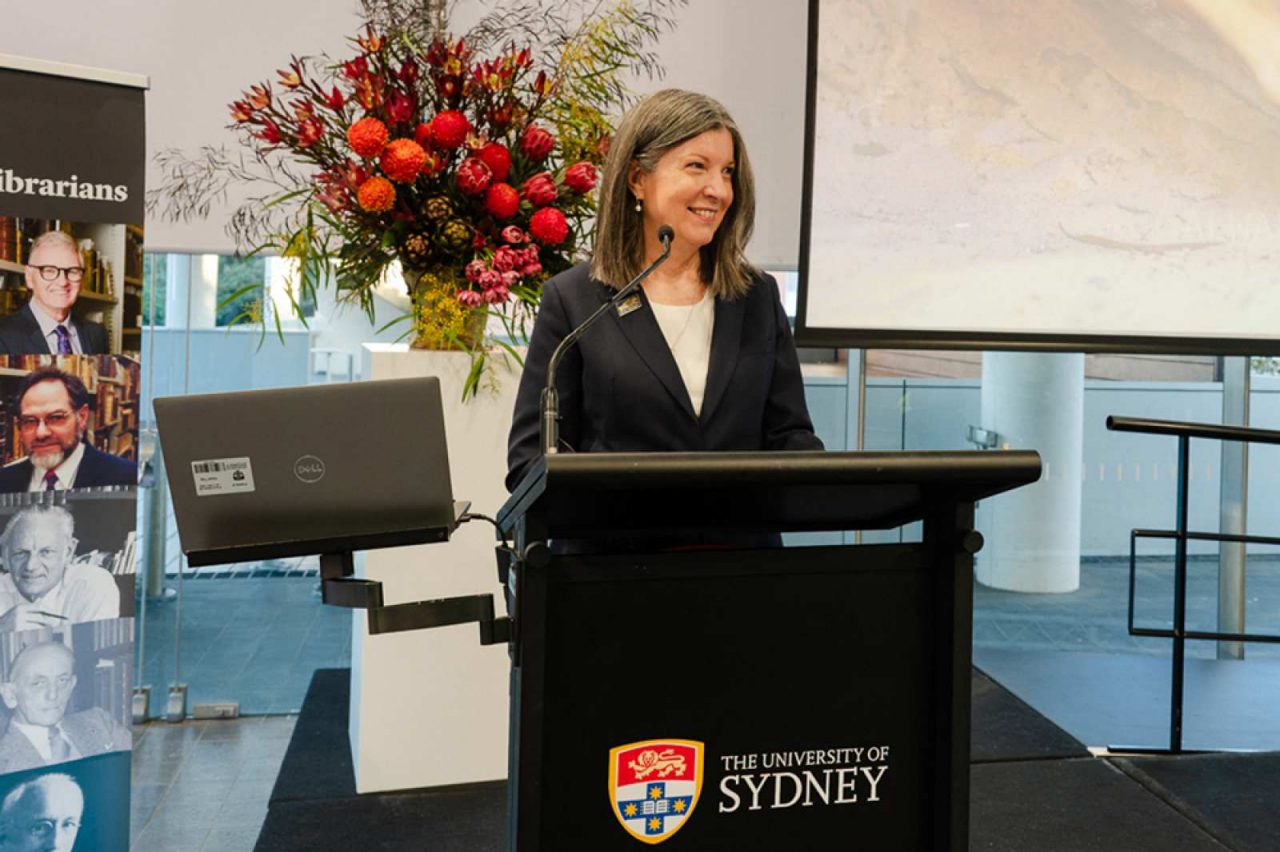
On 23 July 2026, University Librarian Dr Caroline Williams delivered her inaugural lecture, What is the role of the library in a modern university? Drawing on her PhD research across the UK and Australia, Dr Williams examined the pressures facing libraries in modern universities and made the case for the library as a shaper of knowledge rather than a keeper of it.
- Image 4
- Image 3
- Image 2
- Image
- Image 6
- Image 7
- Image 9
In the following interview, Dr Caroline Williams reflects on the lecture, the stories behind it, and what comes next for the Library.
In the opening to your lecture, you joked that when you tell people what you do, they assume you do it because you love reading. What has actually kept you in libraries over the past 30 years?
CW: I’ve regrettably never had the presence of mind to respond like Elizabeth Bennet's in Jane Austen’s Pride and Prejudice: “I deserve no such praise or such censure. I am not a great reader, and I have pleasure in many things.”
In fact, although reading is a joy to me, it is not why I have worked in university libraries. Instead, it’s the work I have done with many intelligent, insightful, creative and kind people – some of whom have become my mentors, advisors, and friends – to change systems, build new libraries, and undertake transformational digital projects. I care about the communication of research information, and I care deeply about students.
2. If colleagues across the University took one thing away from the lecture, what would you want it to be?
CW: University libraries are education, research and social infrastructure which evolve with the universities, societies and technological worlds they inhabit. I see the University of Sydney Library — collections, spaces, staff, and technologies — as a cultural institution; it’s where ideas take shape, it inspires, it creates a home and community, it is refined, shared and built to endure. It’s where the resources that fuel the next generation of thinkers are made, not just assembled. We preserve what matters. Not as an act of nostalgia but as an act of faith in the questions that haven't been asked yet. Our purpose is to hold the past and imagine the future.
You used the sociologist Pierre Bourdieu to frame your lecture. How do his theories apply to university libraries?
CW: Bourdieu's lens turns the library from an apparently neutral repository of information and space to study, into a player on different competitive fields. Fields are spaces where economic, cultural, social and symbolic capital are unevenly held and exchanged. This lens gives us many insights into how libraries use position and power both intentionally and unintentionally.
For example, we can take a step back from ingrained library purpose and practice, and ask the question "who holds the power to collect, describe, and classify?". Then we can reflect and critique on what we do. One area that demonstrates this is Aboriginal and Torres Strait Islander collections in libraries. For most of the library's history, the power to collect, describe and classify sat with colonial institutions without community permission or consultation. So Bourdieu’s methods don't just describe the library's dynamics with the university; they help us to see how this positions and contextualises knowledge and answer the question “who are we privileging?”.
What is the role of the library in a modern university (recording)
Past Held. Future Imagined.
University Librarian Dr Caroline Williams delivered her inaugural lecture on the role of the library in the modern university. Drawing on her PhD research across the UK and Australia, she makes the case for the library as a shaper of knowledge, not simply a keeper of it.
This inaugural lecture was held at the Law Foyer at the University of Sydney on 23 July, 2026.