'J.W. Power: An Artist's Archive' exhibition
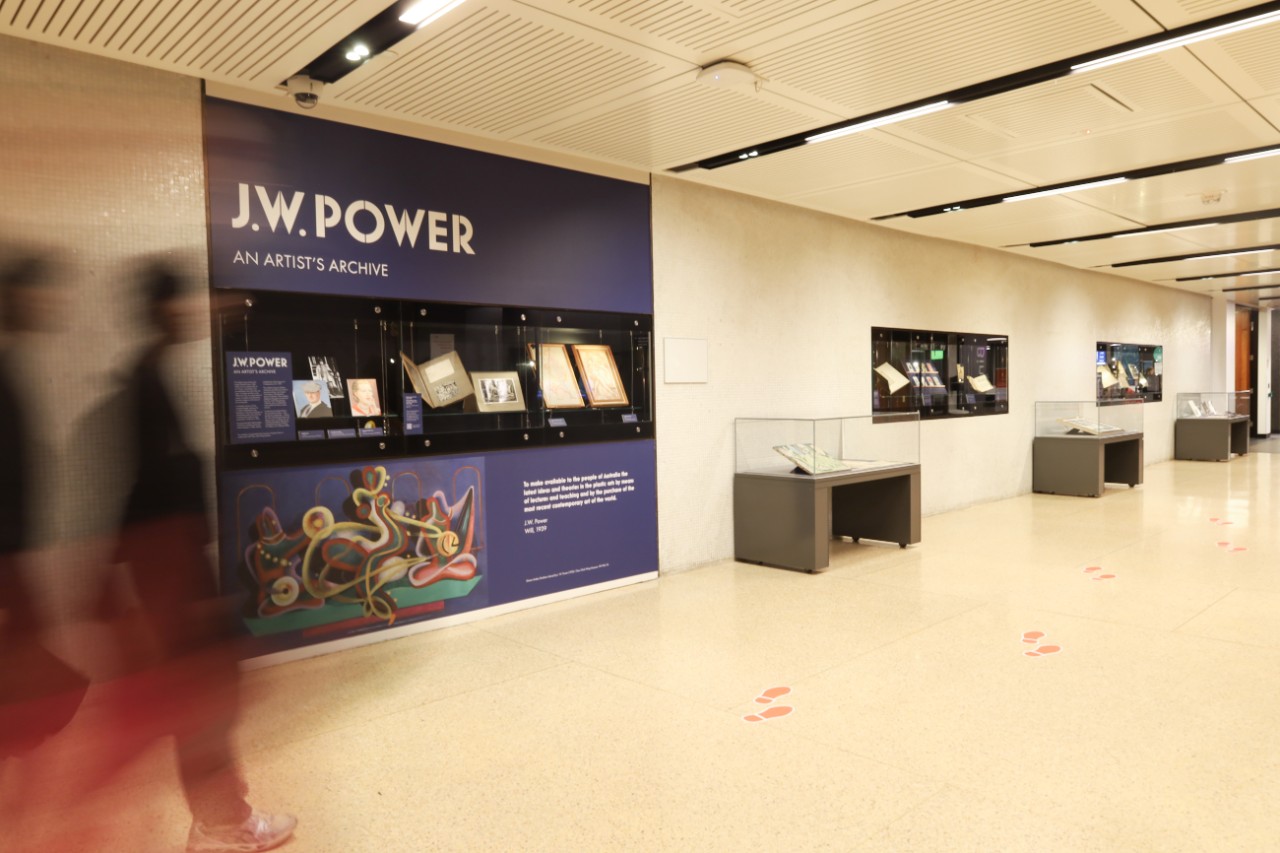
The Sydney-born painter John Joseph Wardell Power (1881-1943), known professionally as J.W. Power, is Australia's most accomplished artist of the inter-war years. In London and Paris in the 1920s and '30s, his unique blend of cubism, surrealism and abstraction found an audience in the heart of the avant-garde.
In Australia, Power's art has remained largely unknown; he is chiefly remembered as the benefactor of the Power Bequest, an extraordinary gift to the University of Sydney from where he had graduated in medicine in 1905. His generosity led to the founding of the the Power Institute at the University in 1968, and the establishment of the Museum of Contemporary Art in 1991.
This exhibition, J.W. Power: An Artist's Archive, featured sketches, notebooks and letters from Power’s personal archives, now housed in the Library’s Rare Books & Special Collections. These artefacts, displayed alongside artworks from the Chau Chak Wing Museum collection and the University of Sydney Archives, gave us a behind-the-scenes peek into Power’s artistic process.
This exhibition was on display on level 3 of Fisher Library from August 2025 – January 2026, and coincied with the exhibition J. W. Power: Art, war and the avant-garde at Chau Chak Wing Museum, the first ever comprehensive survey of Power, as well as a display at the Schaeffer Fine Arts Library.

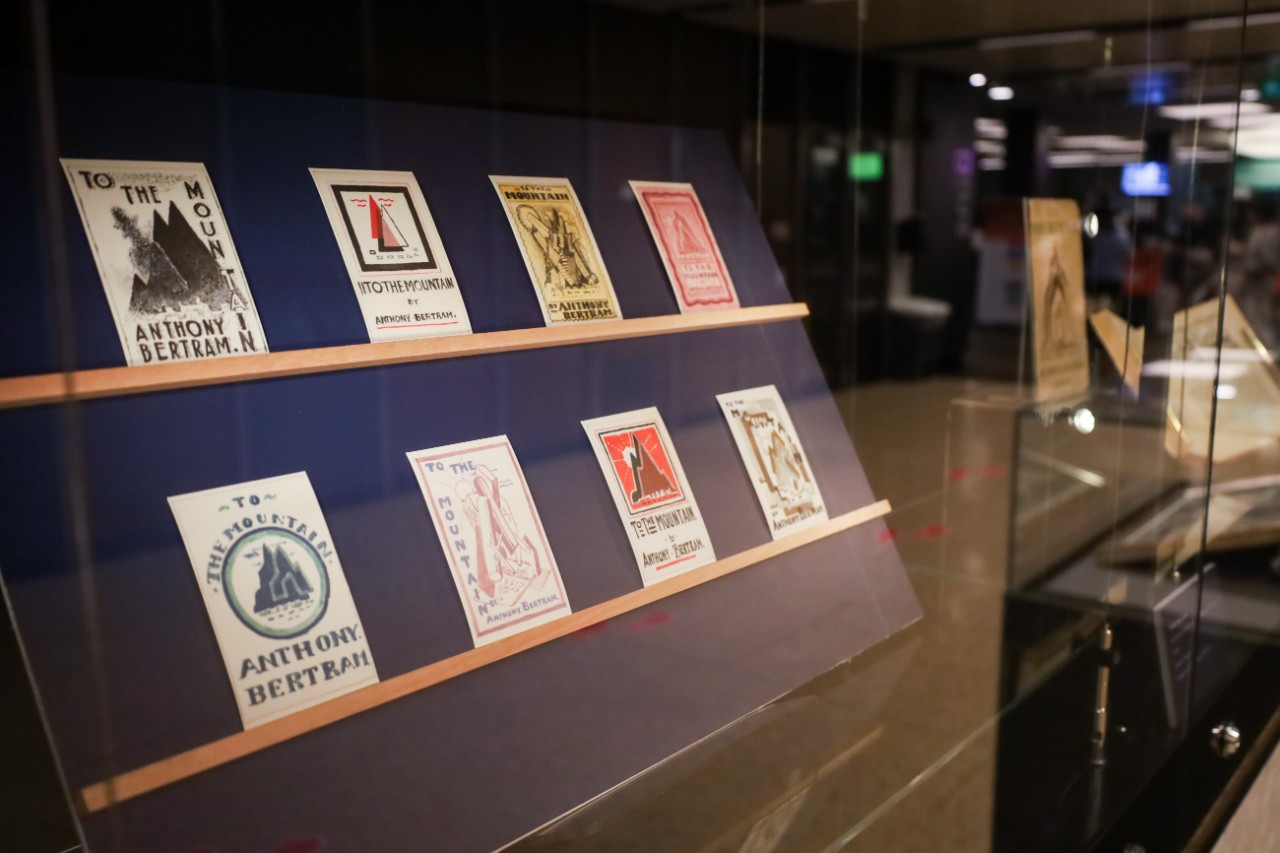


J.W. Power: An Australian Avant-gardist
by Ann Stephen and A.D.S. Donaldson
Published by the National Library of Australia (November 2025), this monograph included collection items from the University of Sydney Library's Rare Books and Special Collections, some of which were also featured in this exhibition. Find out more about the book
J.W. Power's legacy
Power left for London in 1906 having graduated from the University for Sydney with a Bachelor of Medicine the year prior. He continued his medical studies in London and eventually became a licensed surgeon. Later, he served in the Royal Army Medical Corps during World War I.
Many believe that the horror of his experience during the war is what led to Power parting ways with medicine and devoting himself fully to the world of art when the war ended. Having become independently wealthy after the death of his father in 1906, he was also able to follow this path without financial difficulties.
In 1920, Power travelled to Paris, with his wife Edith, to study under Pedro Araújo at the Atelier Araújo studio. In the years following, Power found an audience in the heart of the avant-garde in London and Paris, though in Australia, his art has remained largely unknown.
After leaving for Europe, Power never returned to Australia. However, his legacy has had a major impact on the Australian arts scene and the University community, which is still felt today.
Often remembered as the benefactor of the Power Bequest, he left an extraordinary gift to the University of Sydney. Following his death in 1943, his surviving works remained with his widow Edith in Jersey, who gifted them to the University in her will. Power’s significant financial wealth was also gifted; approximately worth £2 million (valued at over A$70 million today), it was the largest monetary bequest ever received by the University at the time.
His generosity led to the founding of the Power Institute of Fine Arts in 1968, and the establishment of the Museum of Contemporary Art in 1991. 2025 marked the 120th anniversary of Power’s graduation from the University.
Power’s bequest was gifted: "To make available to the people of Australia the latest ideas and theories in plastic arts, so as to bring the people of Australia in more direct touch with the latest art developments in other countries."
Since its establishment, the bequest has supported the development of the University’s Art History Discipline, the JW Power Collection of contemporary art (which led to the creation of the Museum of Contemporary Art Australia), and the Power Institute’s extensive contributions to research, public programs, and award-winning publications.

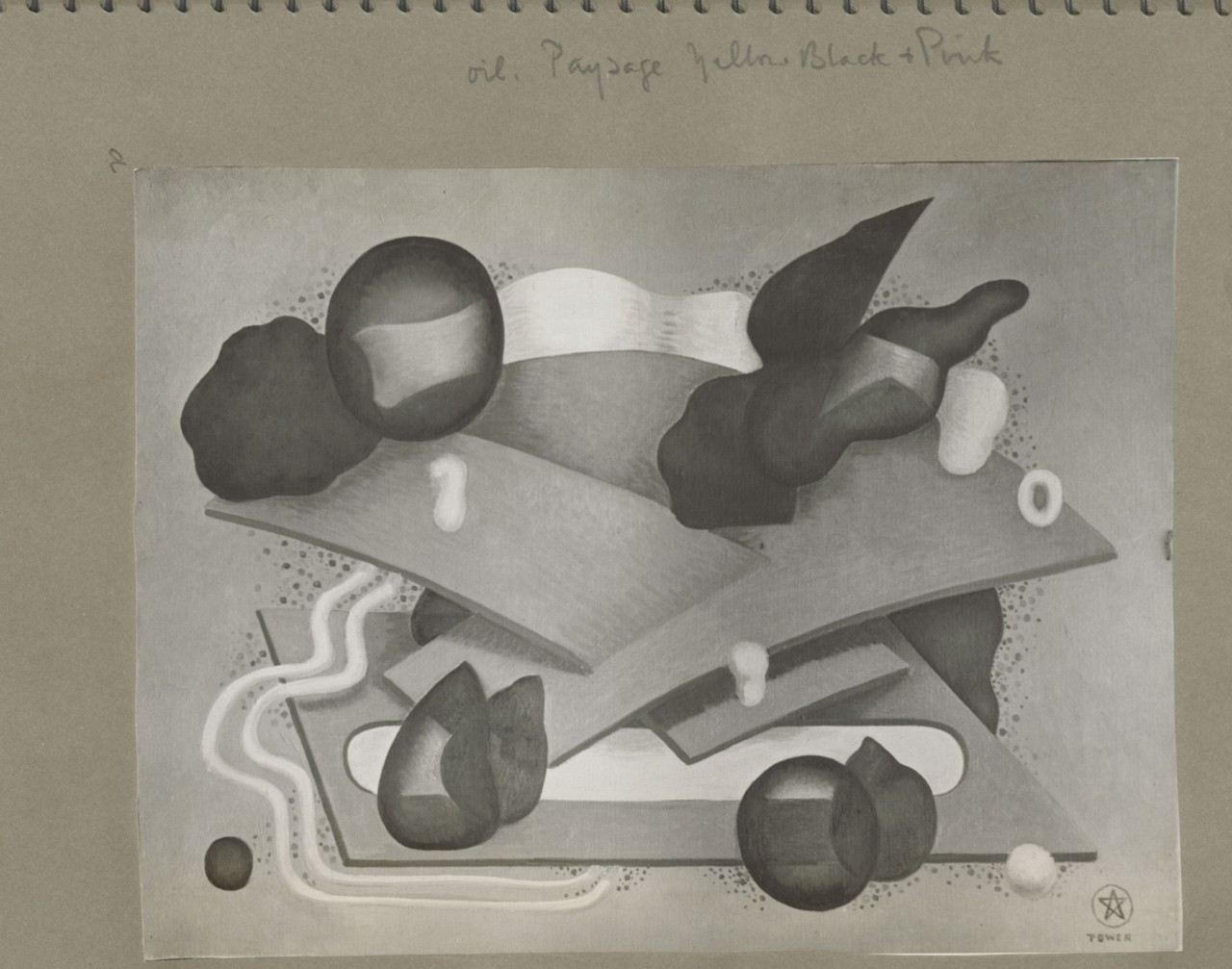

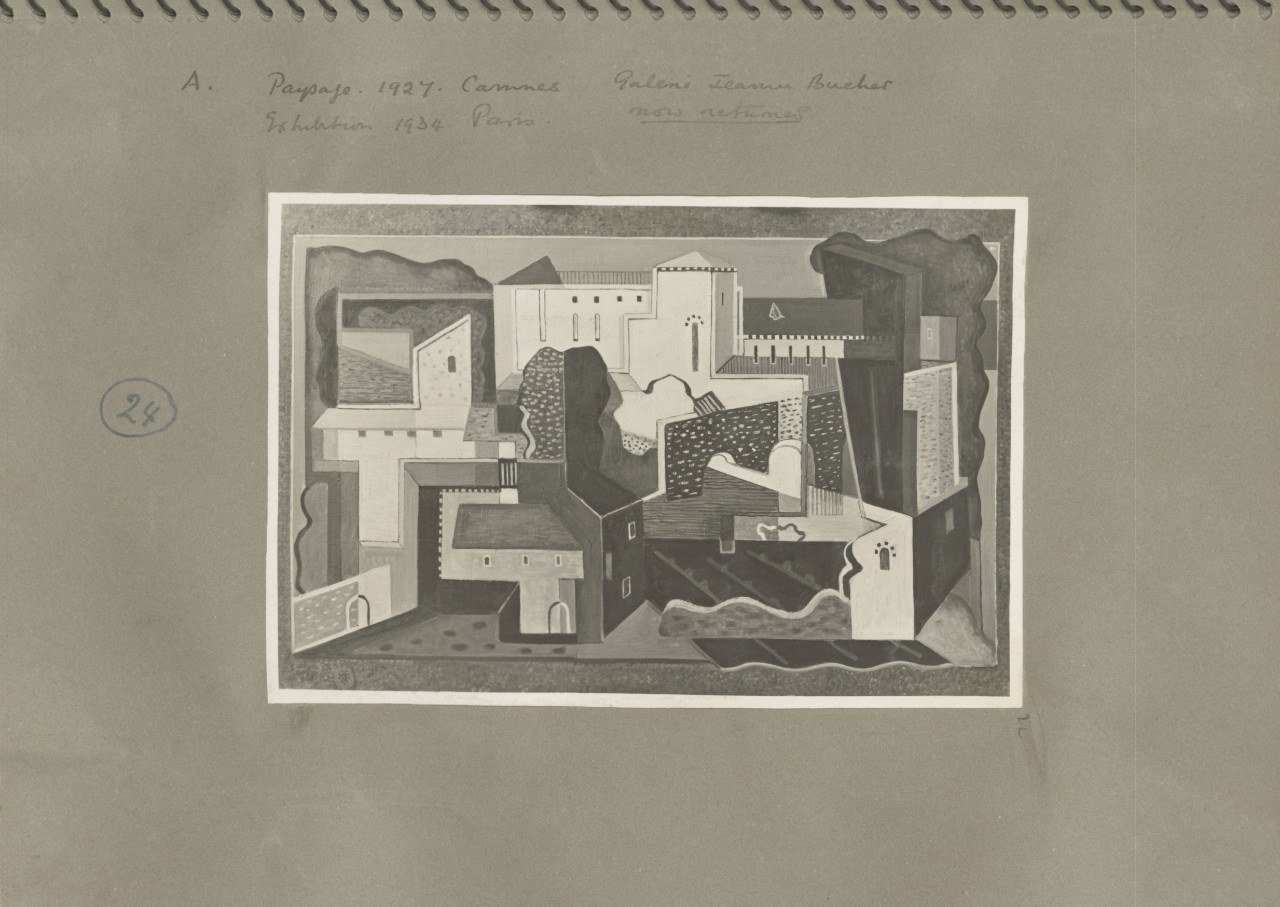
Discover more in Digital Collections
The Library holds a variety of sketches, notebooks and letters from Power’s personal archives. Browse two of Power's recently-digitised notebooks, which give a unqiue behind-the-scenes look into his practice.
Related information
Contact
For enquiries about Rare Books and Special Collecitons, please get in touch with the Cultural Collections team via email
cultural.collections@usyd.libanswers.com.