Compendium of Clever Machines
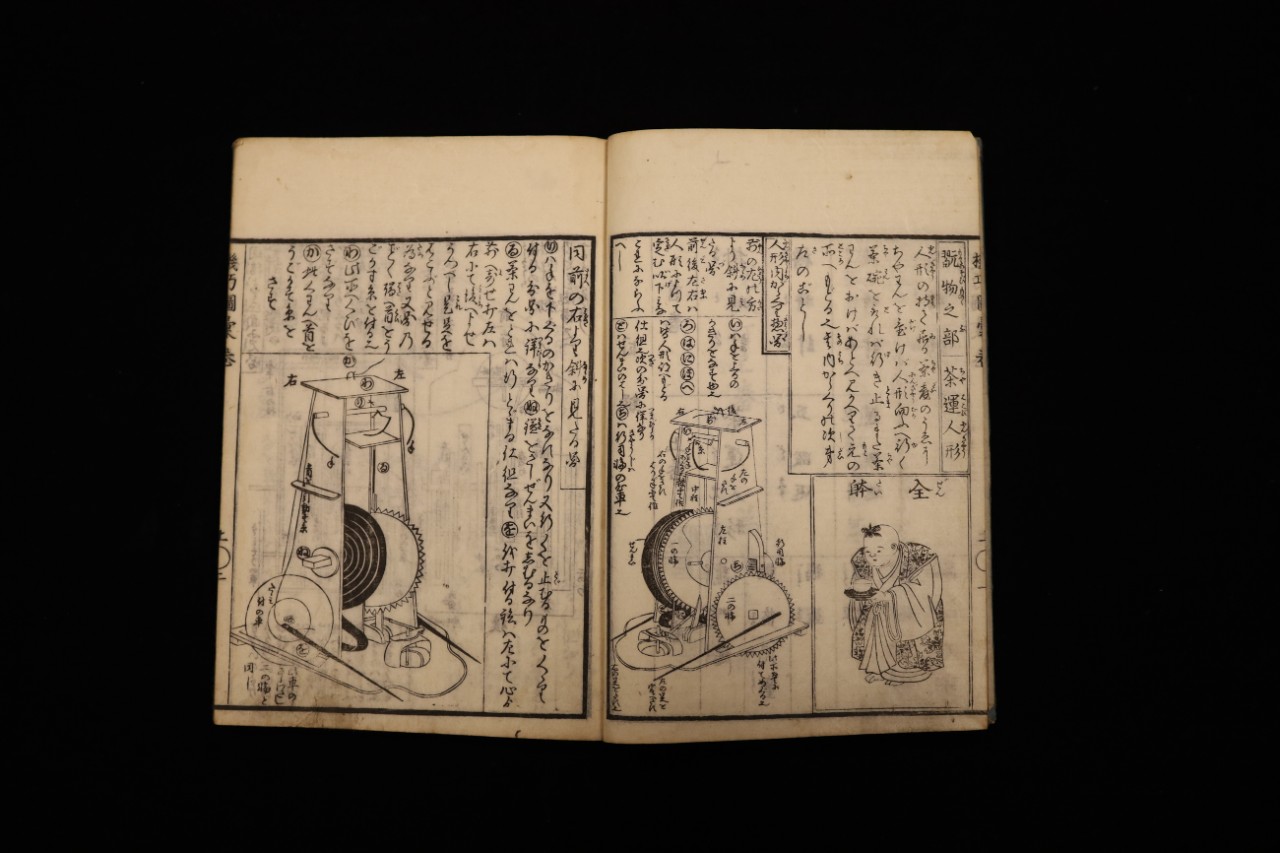
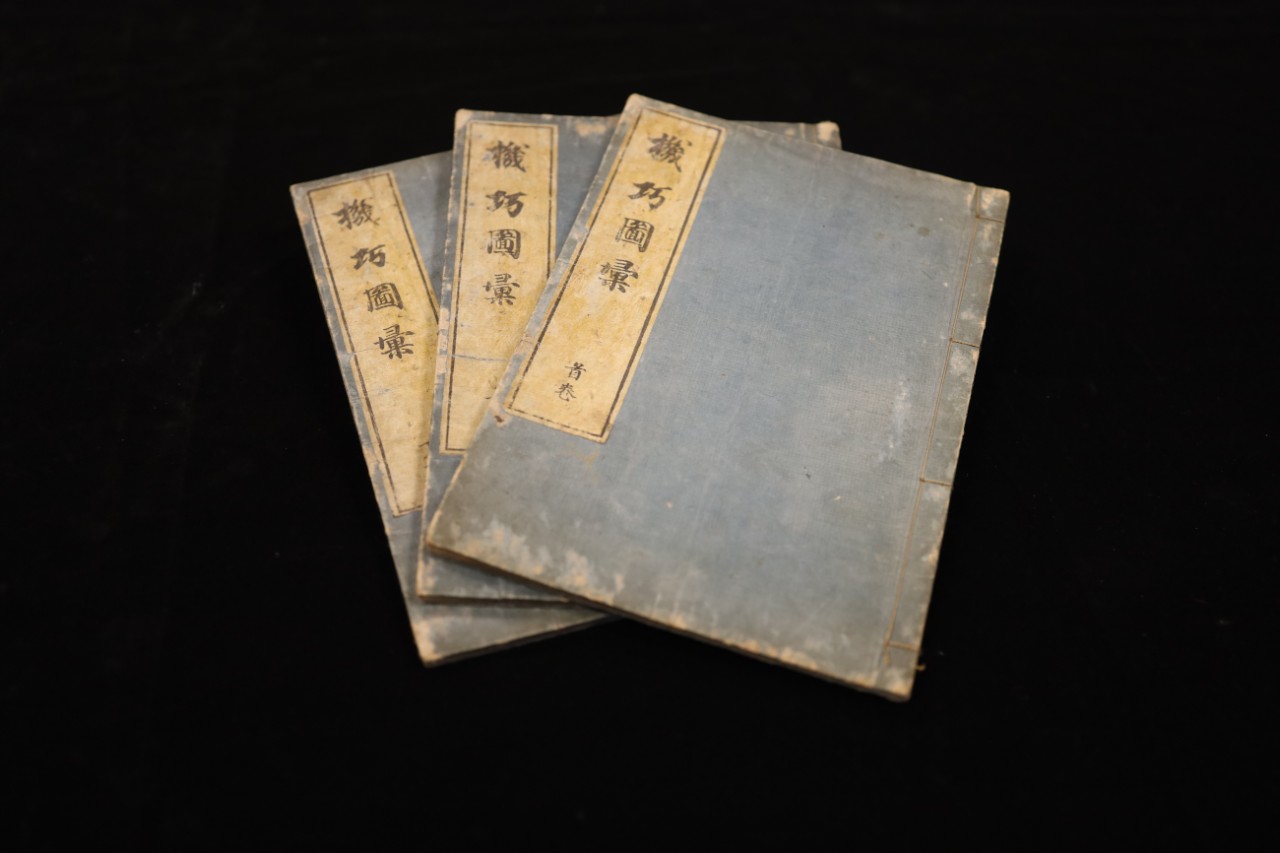
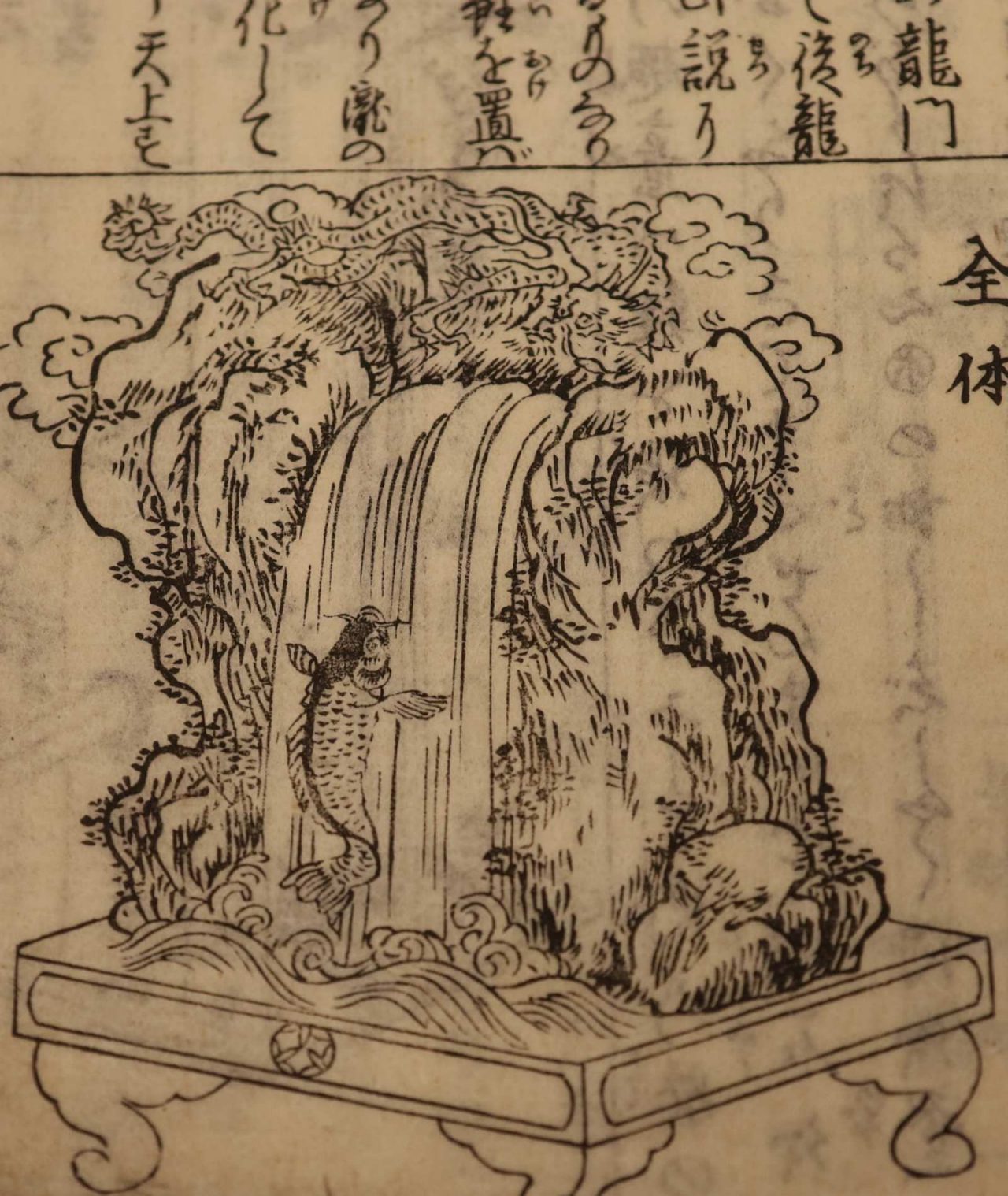
Imagine a tea-serving doll gliding across a tatami mat, bowing politely before offering you a cuppa. In 18th century Japan, these lifelike machines amazed audiences much like robots fascinate us today. They were made of wood, string, and gears, yet moved with surprising grace. In 1796, these ingenious creations were captured in a remarkable book: 機巧図彙 / 細川半蔵 / Kikō zu'i (Illustrated Compendium of Clever Machines EA 8298 2). The copy in our collection consists of three volumes and is the second edition, published in 1808.
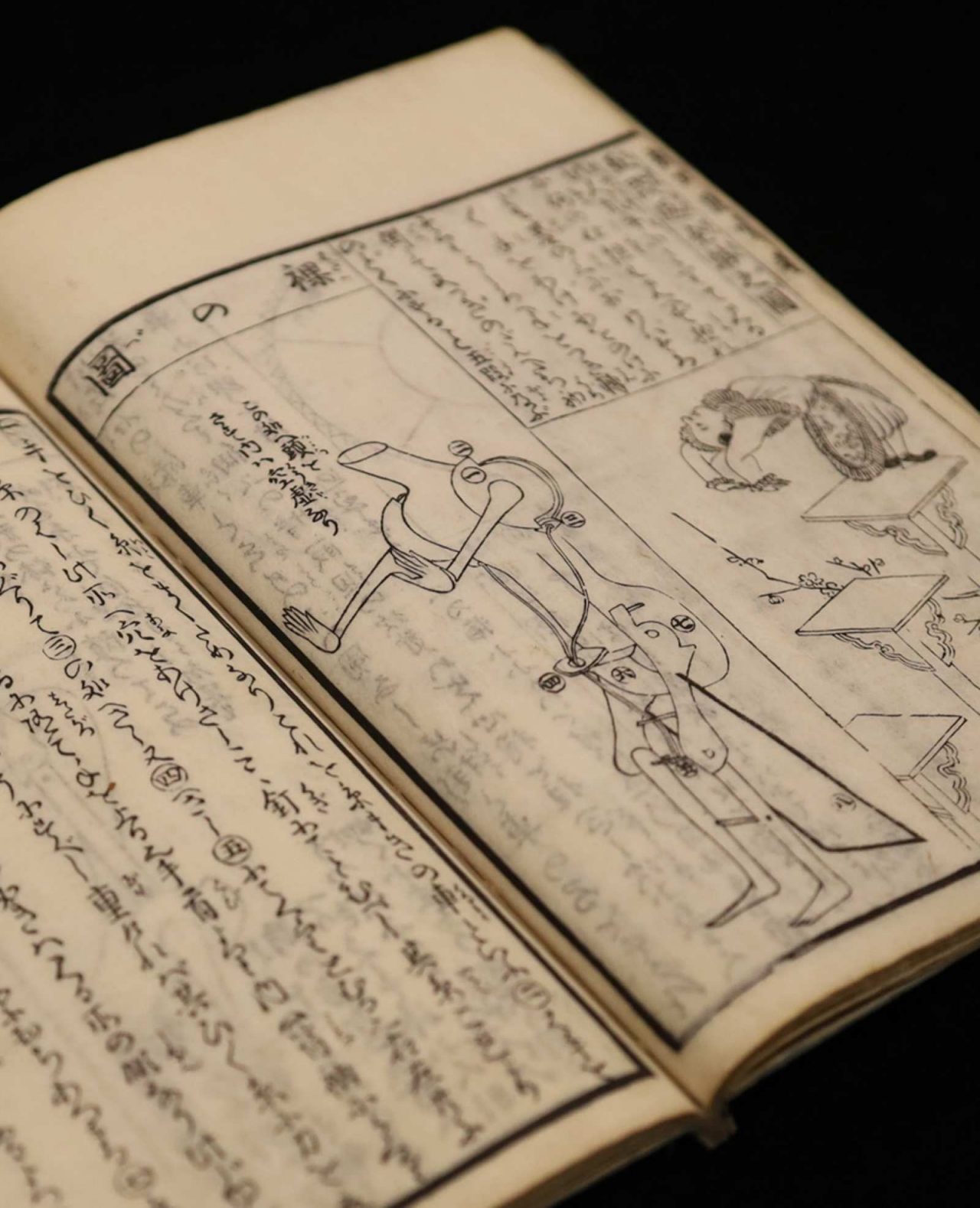
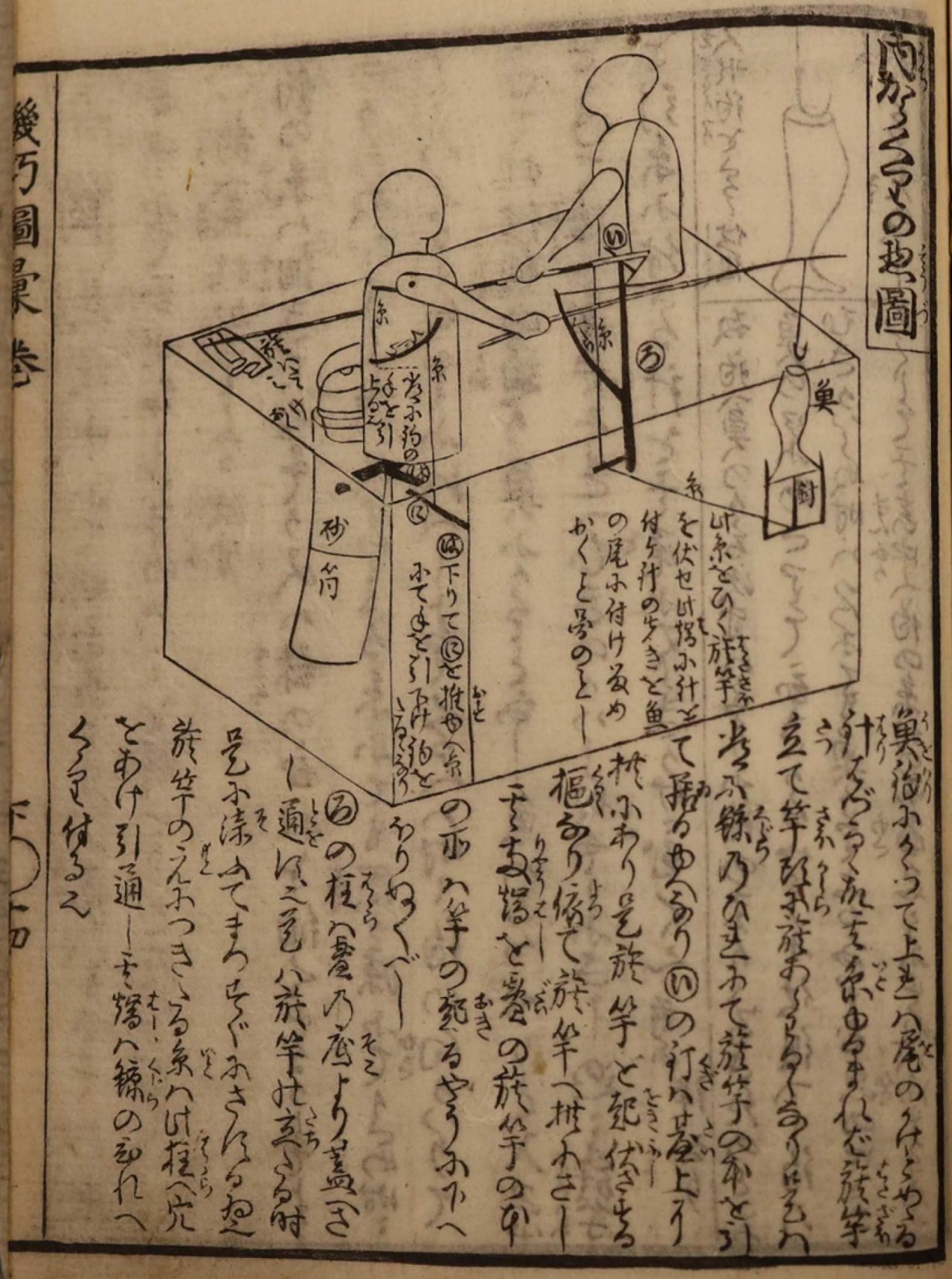
The compendium is also an outstanding example of scientific and technical publishing from the Japanese Edo era. Both the text and illustrations were carved into woodblocks and printed together on the same sheets. This collaboration between illustrator, carver, and printer highlights the technical skill and print culture that thrived in late 18th century Japan.
Today, Kikō zu'i remains a rich resource for teaching, research, and learning. As a primary source, it opens windows onto Asian robotics history, Japanese engineering, and material culture. It also belongs to a broader movement of illustrated educational publishing that combined visual literacy with accessible texts. More than just documenting machines, the book disseminated artisanal knowledge and shows how print supported technical and craft education in Edo Japan.
Access these items
Rare Books and Special Collections (RBSC) can be accessed by staff, students and academics (using existing University credentials), as well as the general public (by registering for a free RBSC community membership).
These items can be located in the Library catalogue. Make a request to view an item, under "more options" (at least 2 business days in advance). Then visit the Rare Books and Special Collections Reading Room during opening hours to view.
The volumes are also available to view and download through the Digital Collections website: Kikō zu'i opening volume, volume 2 and volume 3.
Teach with these items
The Library's extensive Rare Books and Special Collections are available to support research and education, through activities including:
- Academic-led classes
- Library-led classes / Object Based Learning (OBL)
- using digitised content
- Gymnastics
- Fishing
- Fish
Contact
Please email enquiries to cultural.collections@usyd.libanswers.com