Platero y yo (Platero and I)
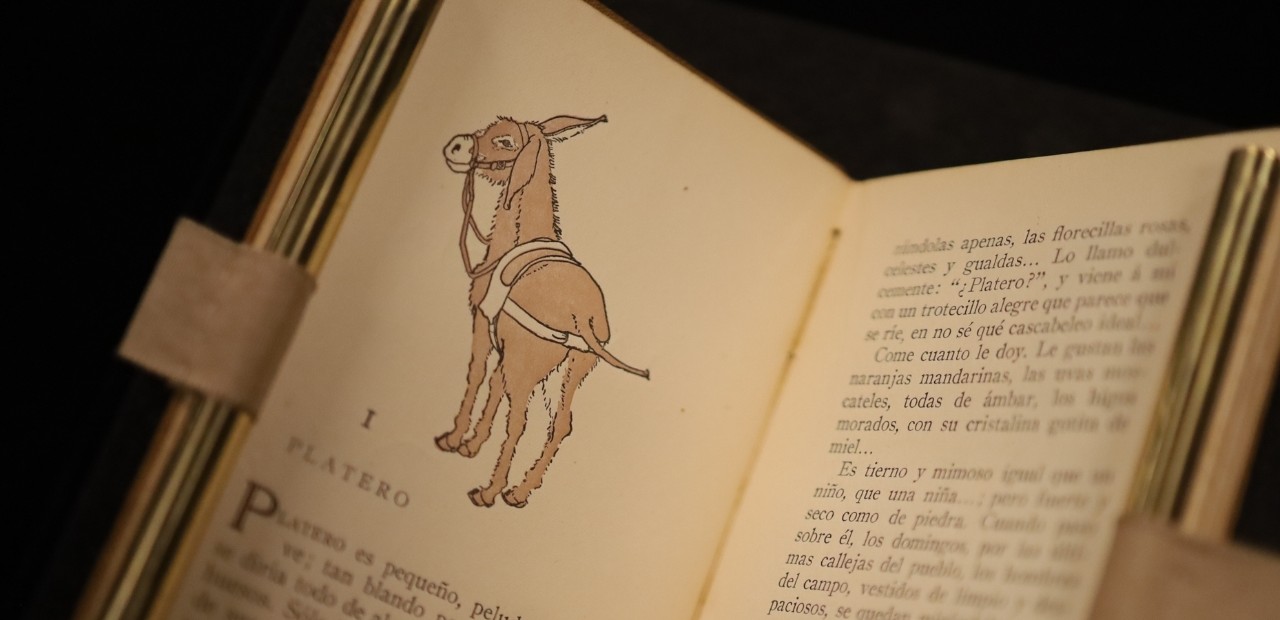
Juan Ramón Jiménez’s 1914 Spanish-language masterpiece, Platero y yo (Platero and I - RB 8014.1), is a luminous collection of poetic vignettes set in his native village of Moguer, southwest Spain. These short scenes, following the narrator and his beloved silvery donkey, craft a profound meditation on nature, rural poverty, and loss. Structurally, they are brief, literary snapshots that focus on capturing a singular moment, feeling, or image rather than driving a traditional, linear plot.
The book’s subtitle, elegía andaluza (an Andalusian elegy), holds deep significance. Historically, an elegy is a poem or song written to mourn a death or reflect on sorrow. Jiménez used this term because the book is infused with a gentle melancholy, ultimately mourning the passing of time, the harsh realities of rural life in Andalusia, and the inevitable loss of innocence.
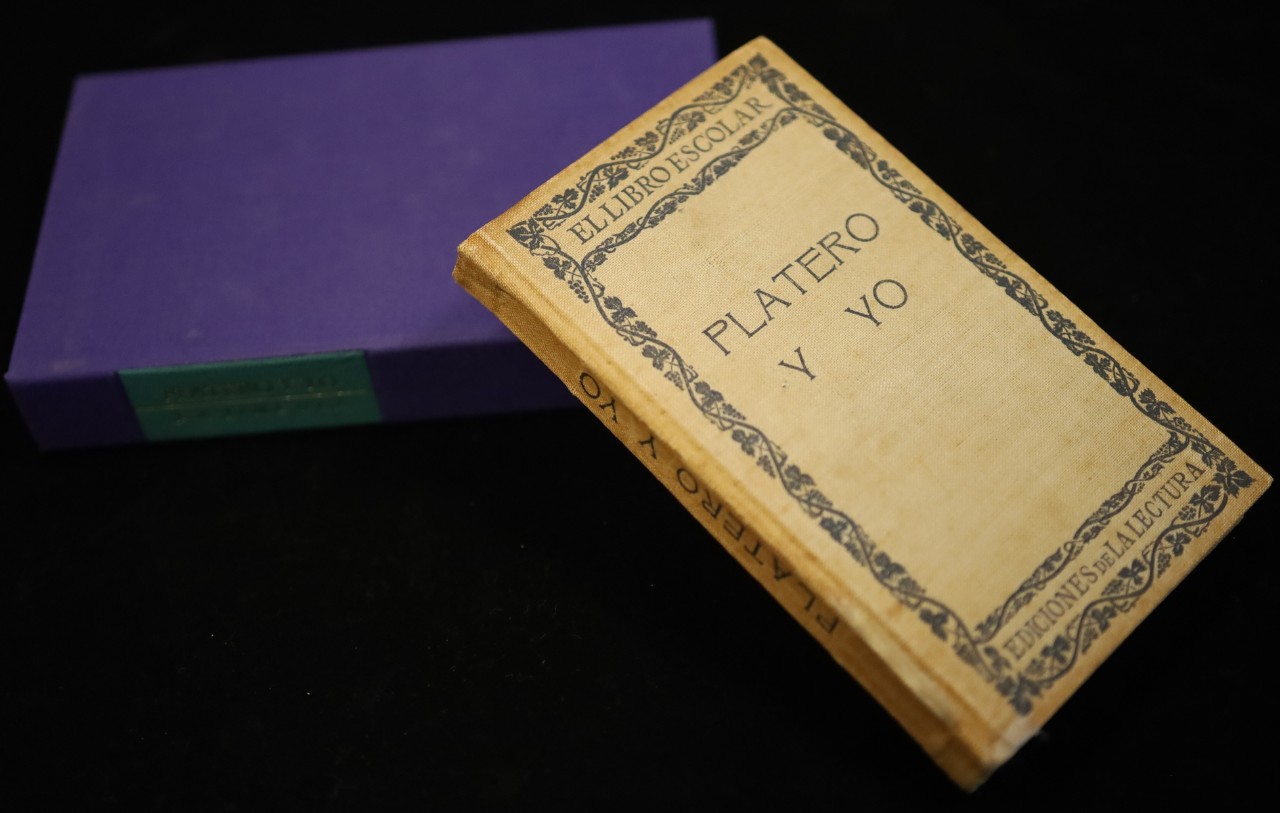
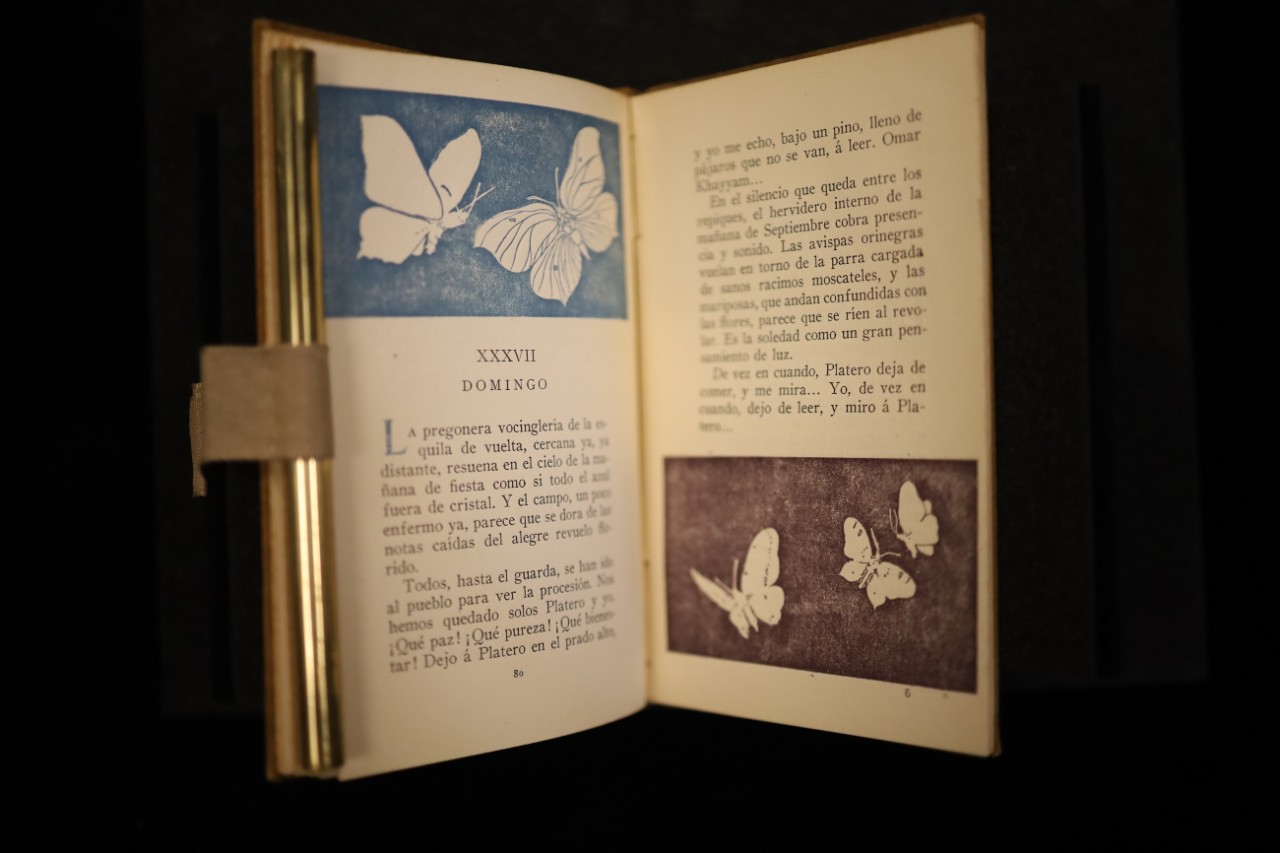
The work is celebrated as the supreme achievement of Spanish prosa poética (poetic prose) — a literary style that uses the intense imagery, emotional depth, and rhythmic cadence of traditional poetry, but writes it within the structure of regular prose paragraphs rather than rhyming verses. This stylistic triumph propelled Jiménez to the 1956 Nobel Prize in Literature.
The most unique aspect of the 1914 first edition is that it is incomplete. It was a special selection of only 63 or 73 chapters (out of the 138 chapters composed by the author). The publisher rushed this selection to fit into a dedicated youth series called the Biblioteca de la Juventud (Youth Library). Though often categorised as a children's book, Jiménez fiercely objected, writing in the prologue: "I have never written nor will I ever write anything for children, because I believe that children can read the books that men read."
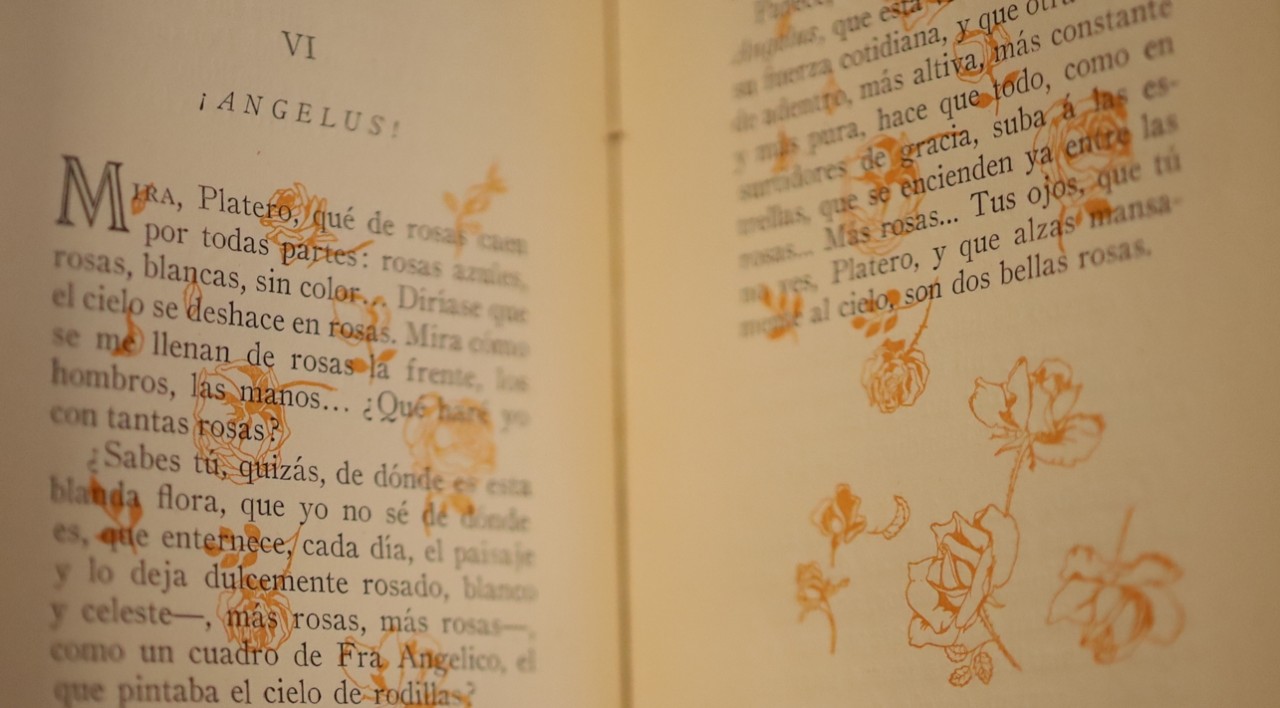
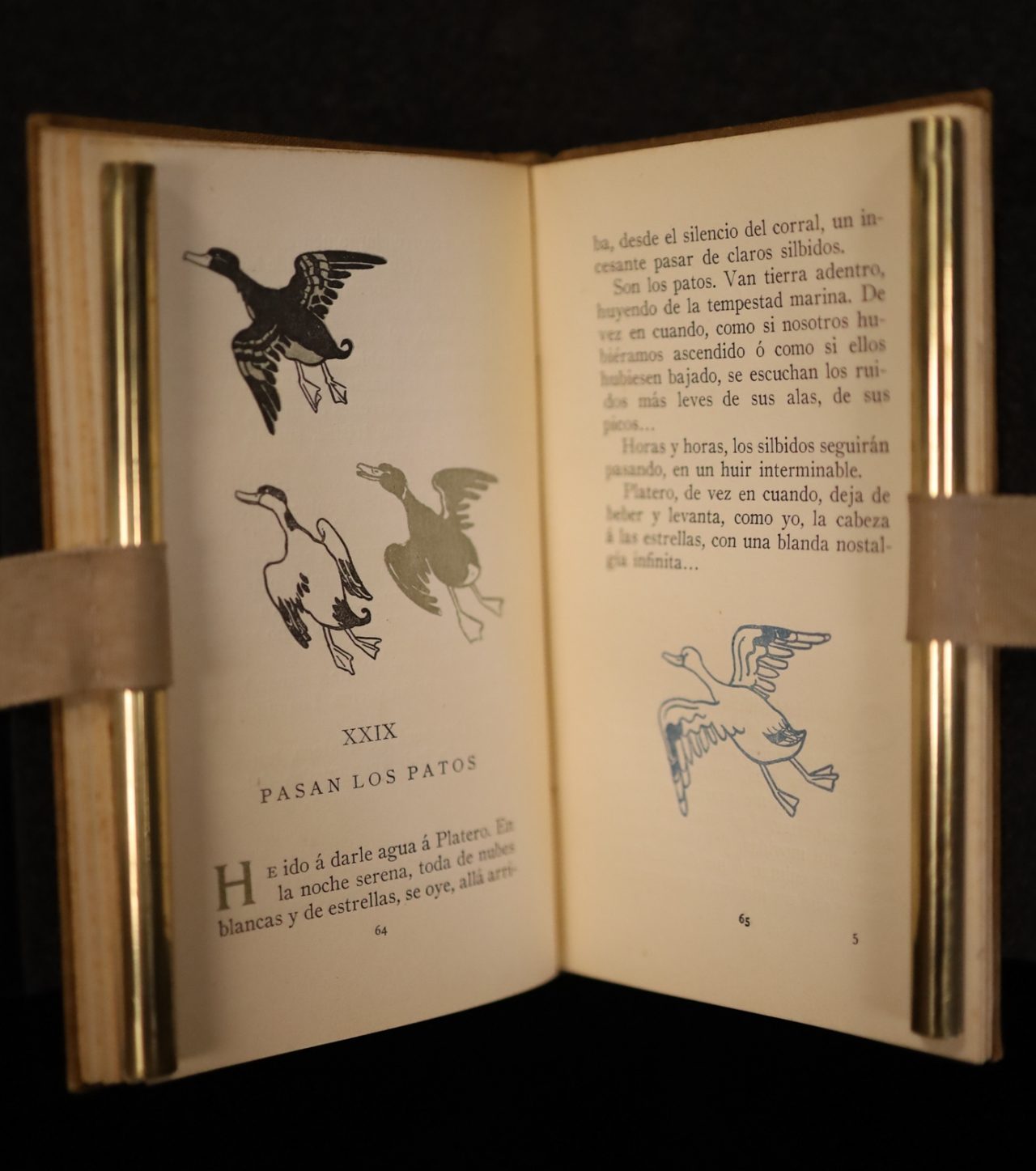
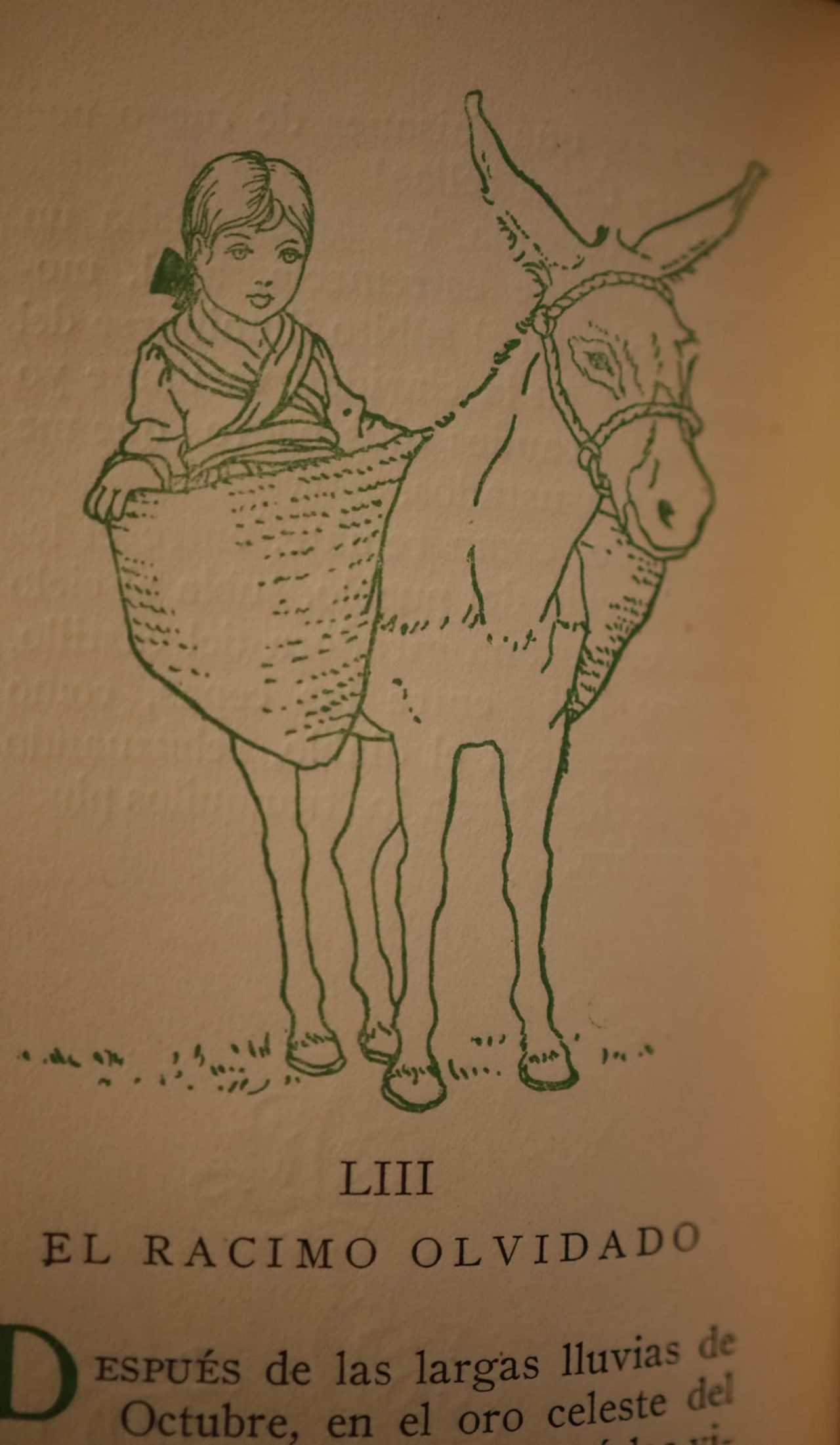
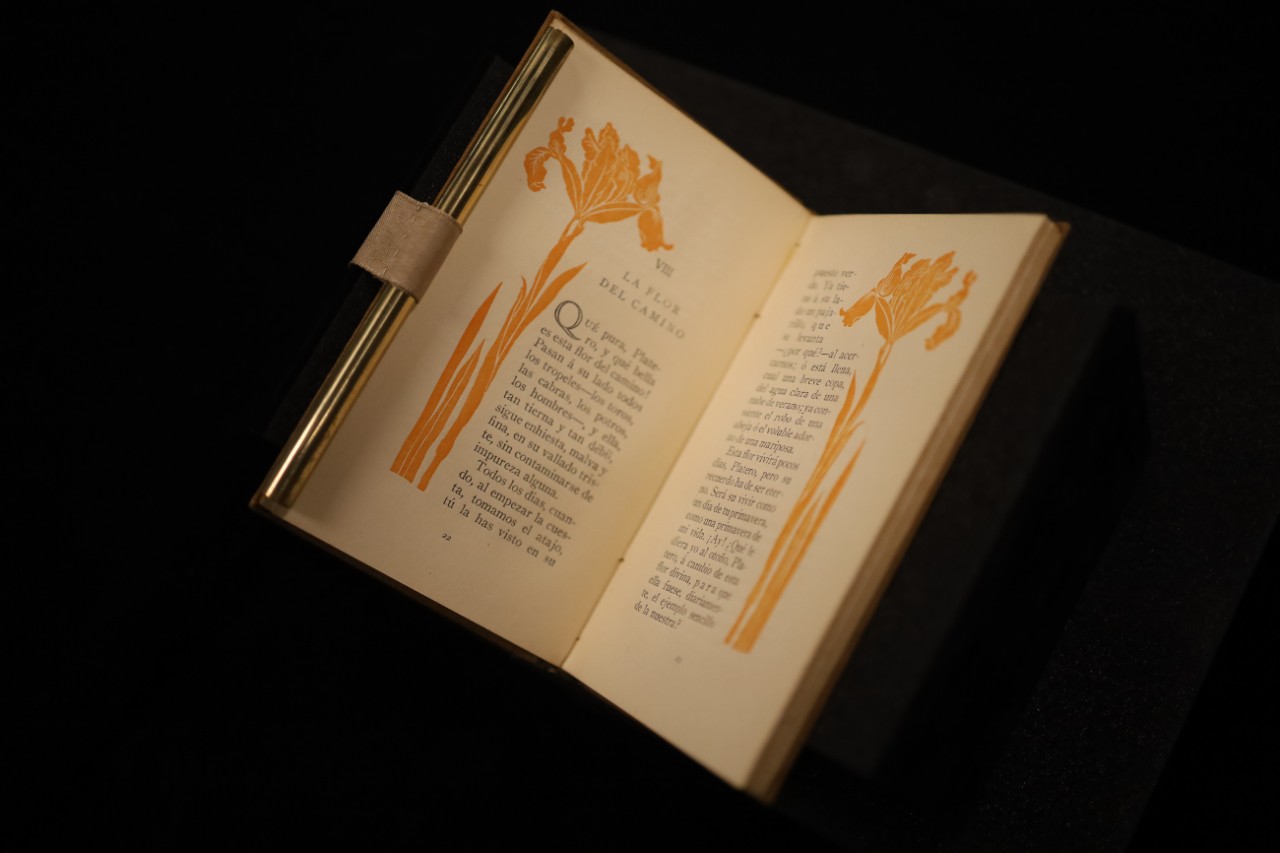
The 1914 first edition features charming illustrations by Spanish artist Fernando Marco, also tailored specifically for the Youth Library series. While these sweet drawings beautifully captured Platero and the Andalusian landscape, they ironically fuelled Juan Ramón Jiménez’s frustration. He felt the child-friendly artwork visually pigeonholed his deeply melancholic, adult masterpiece as simple children's literature — a misconception he fought against for the rest of his life.
Much like The Little Prince in French culture, this work remains a sacred touchstone for Spanish speakers, beloved in youth and revisited in adulthood for its deep emotional resonance. Today, the 1914 first edition is an extraordinary bibliographic rarity due to its incomplete text, delicate bindings worn away by young readers, and widespread book destruction during the Spanish Civil War.
This item was acquired with funds from the Sir John Seymour Proud bequest fund.
Call number: RB 8014.1
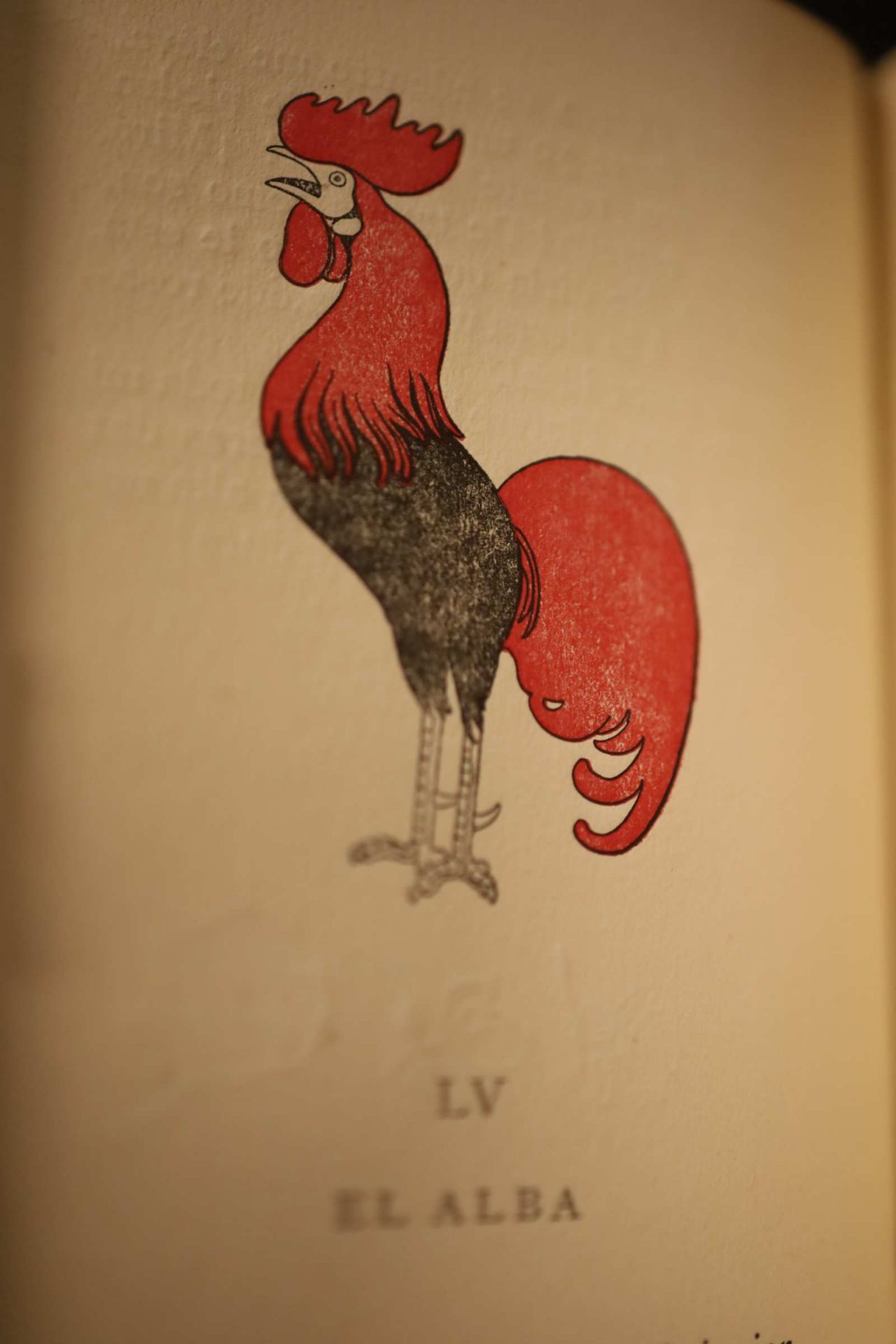
- Dawn (chapter 55)
- The Ducks Go By (chapter 29)
- The Forgotten Bunch of Grapes (chapter 53)
- The wayside flower (chapter 8)
Access this item
Rare Books and Special Collections (RBSC) can be accessed by staff, students and academics (using existing University credentials), as well as the general public (by registering for a free RBSC community membership).
This item can be located in the Library catalogue. Make a request to view an item, under "more options" (at least 2 business days in advance). Then visit the Rare Books and Special Collections Reading Room during opening hours to view.
Teach with this item
The Library's extensive Rare Books and Special Collections are available to support research and education, through activities including:
- Academic-led classes
- Library-led classes / Object Based Learning (OBL)
- Using digitised content
Contact
Please email enquiries to cultural.collections@usyd.libanswers.com