新美術海 Shin Bijutsukai
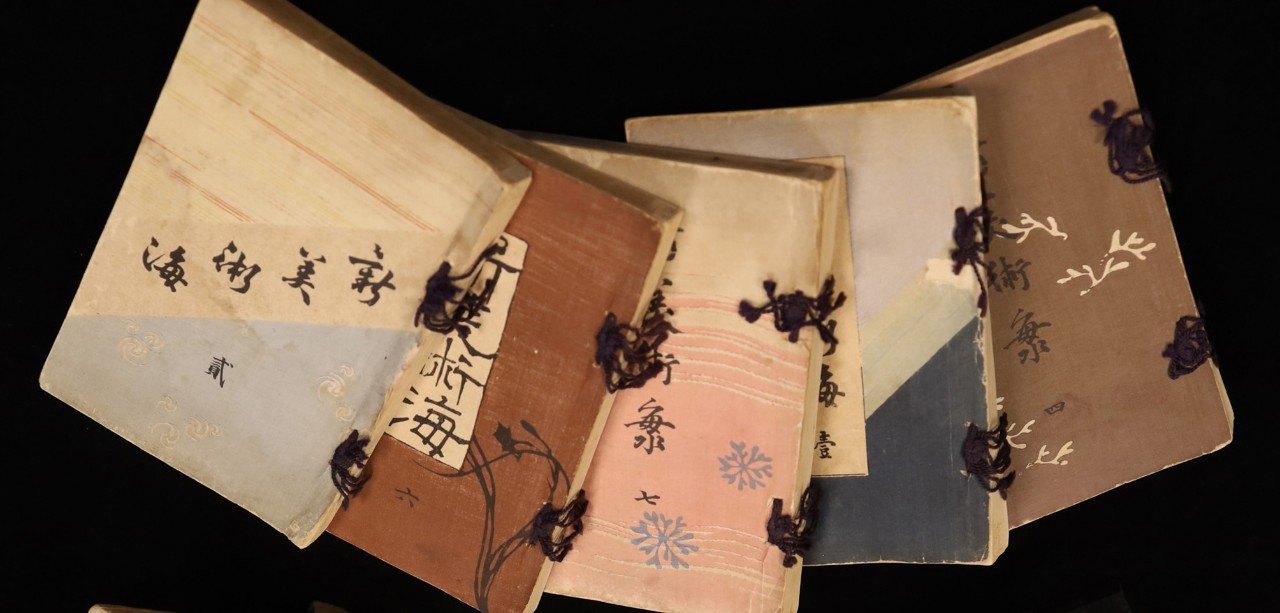
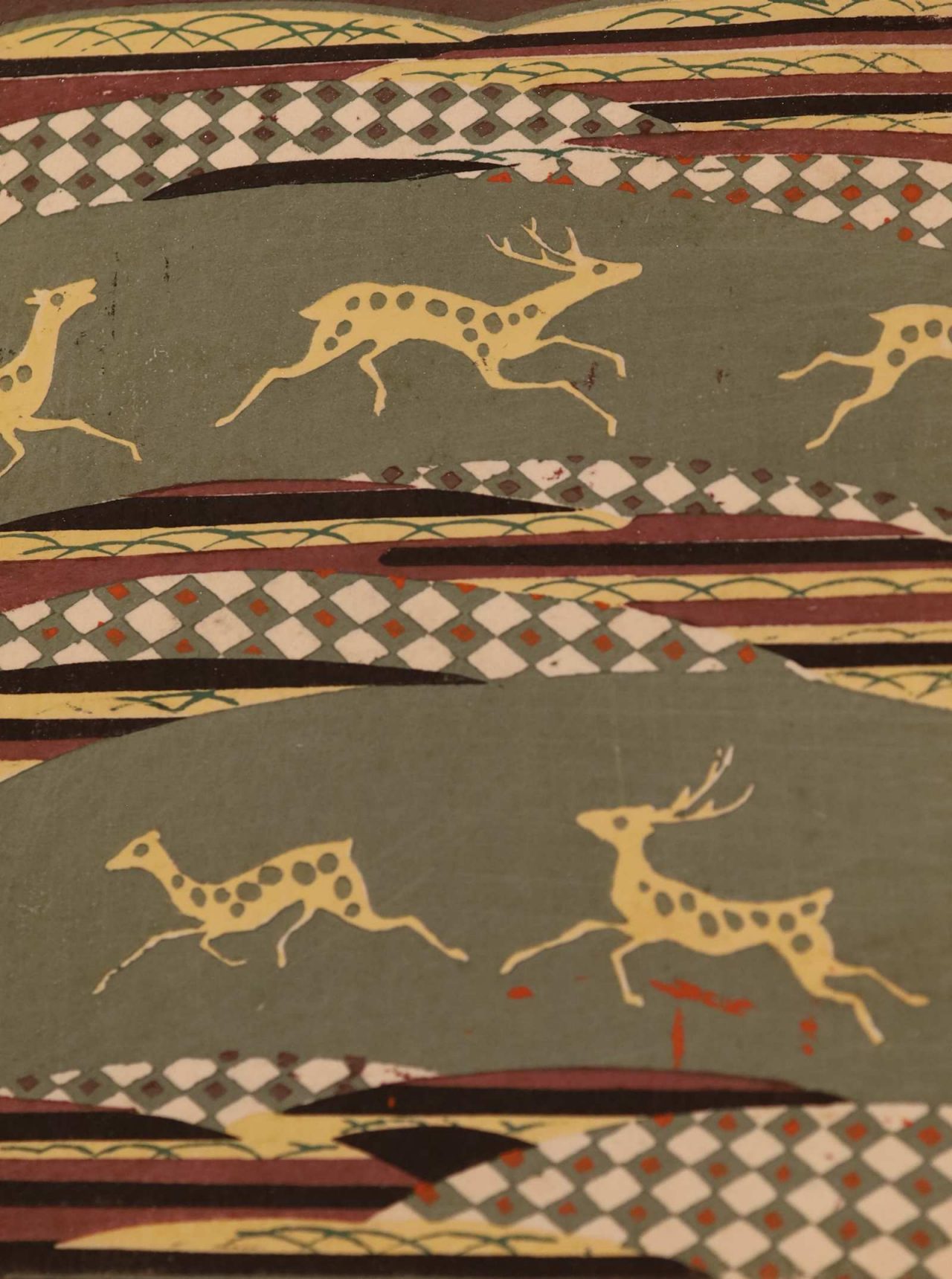
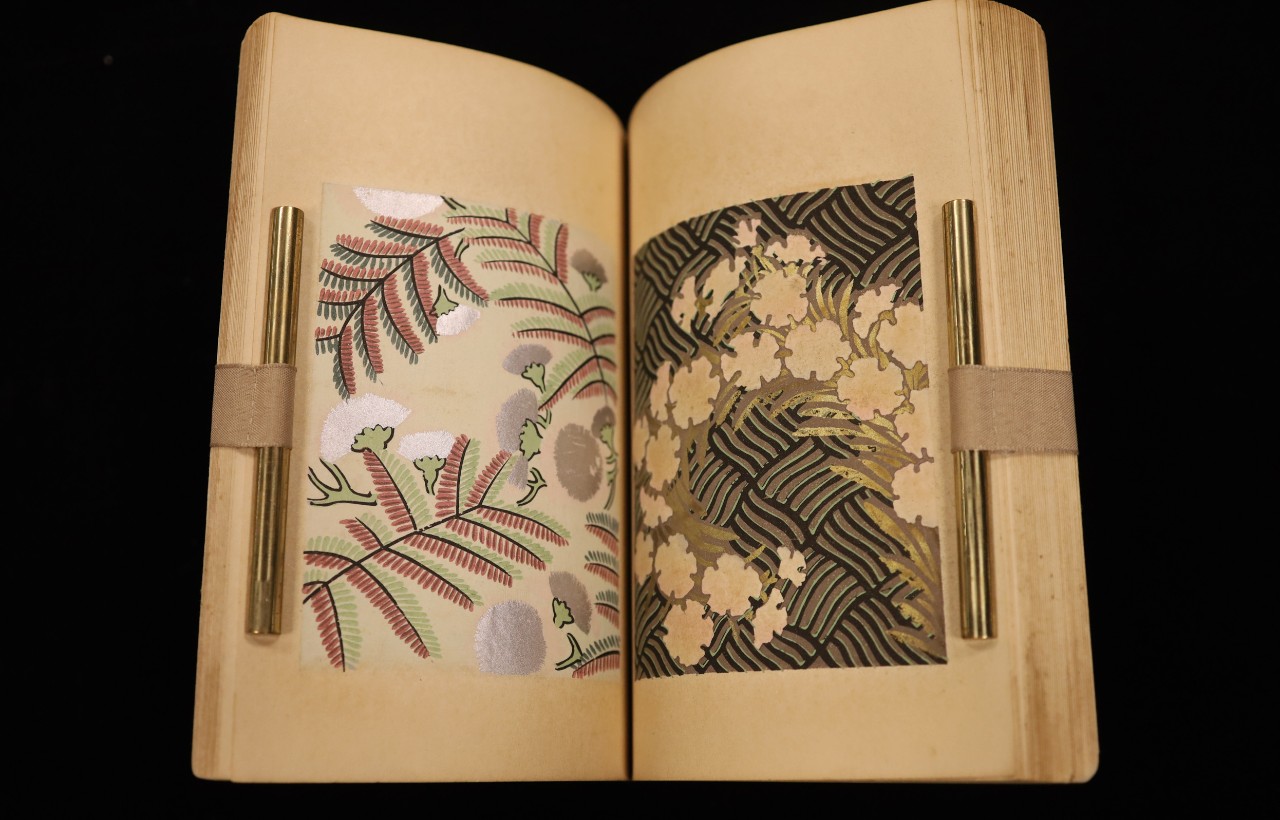
This seven-volume set of books (EA 6659 33), held in Rare Books and Special Collections, features 720 plates of Japanese design. These plates originally appeared across 70 issues of the monthly art magazine 新美術海 (New Oceans of Art), published by Unsōdō between 1901 and 1906.
The editors of the magazine, Furuya Kōrin and Kamisaka Sekka, were among the leading artists and designers of the early 20th century. Unsōdō, the publishing house, specialises in art books and design albums and continues to operate today. The magazine’s title page included an English description: “New Monthly Magazine of Various Designs by the Famous Artists of To-Day”.
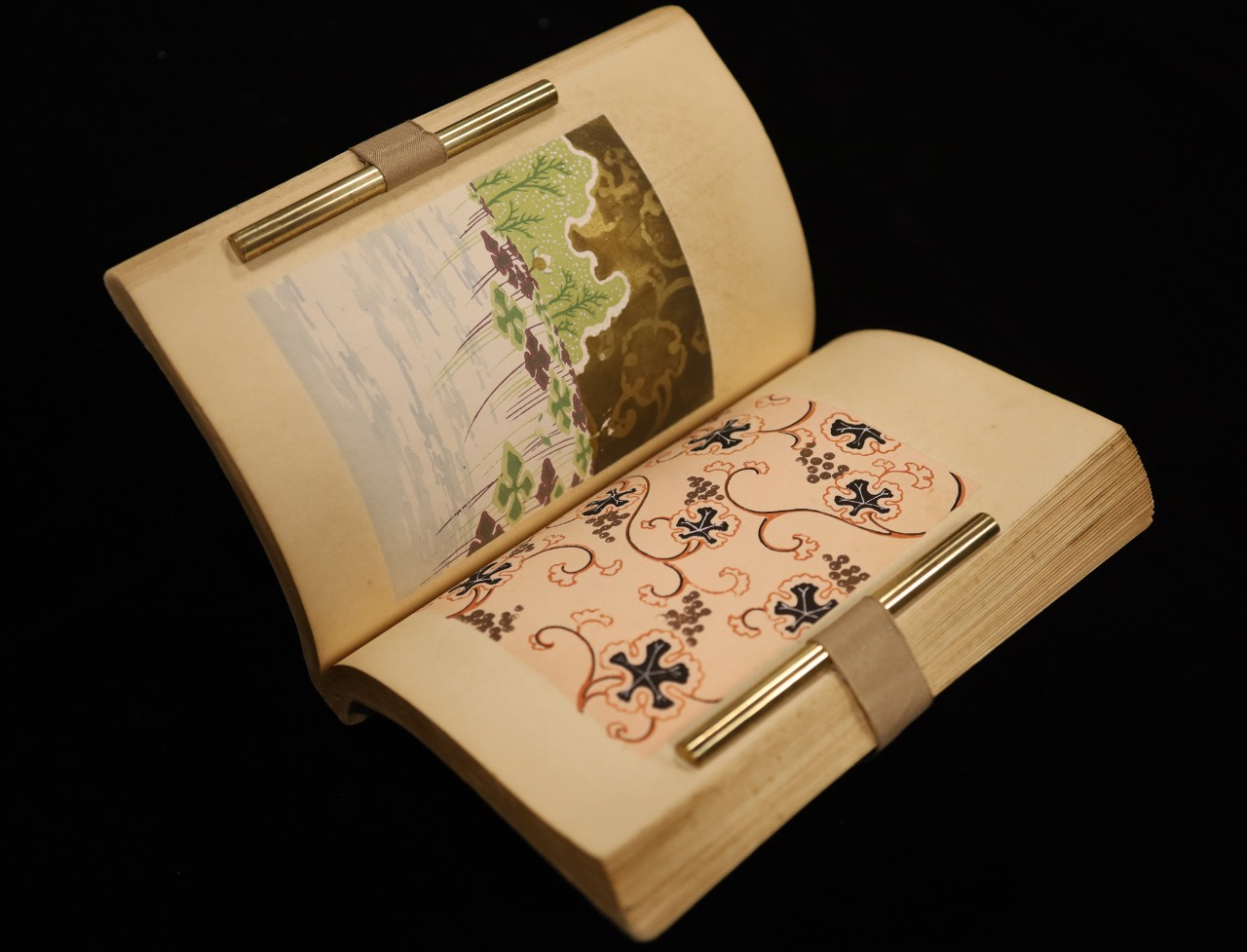
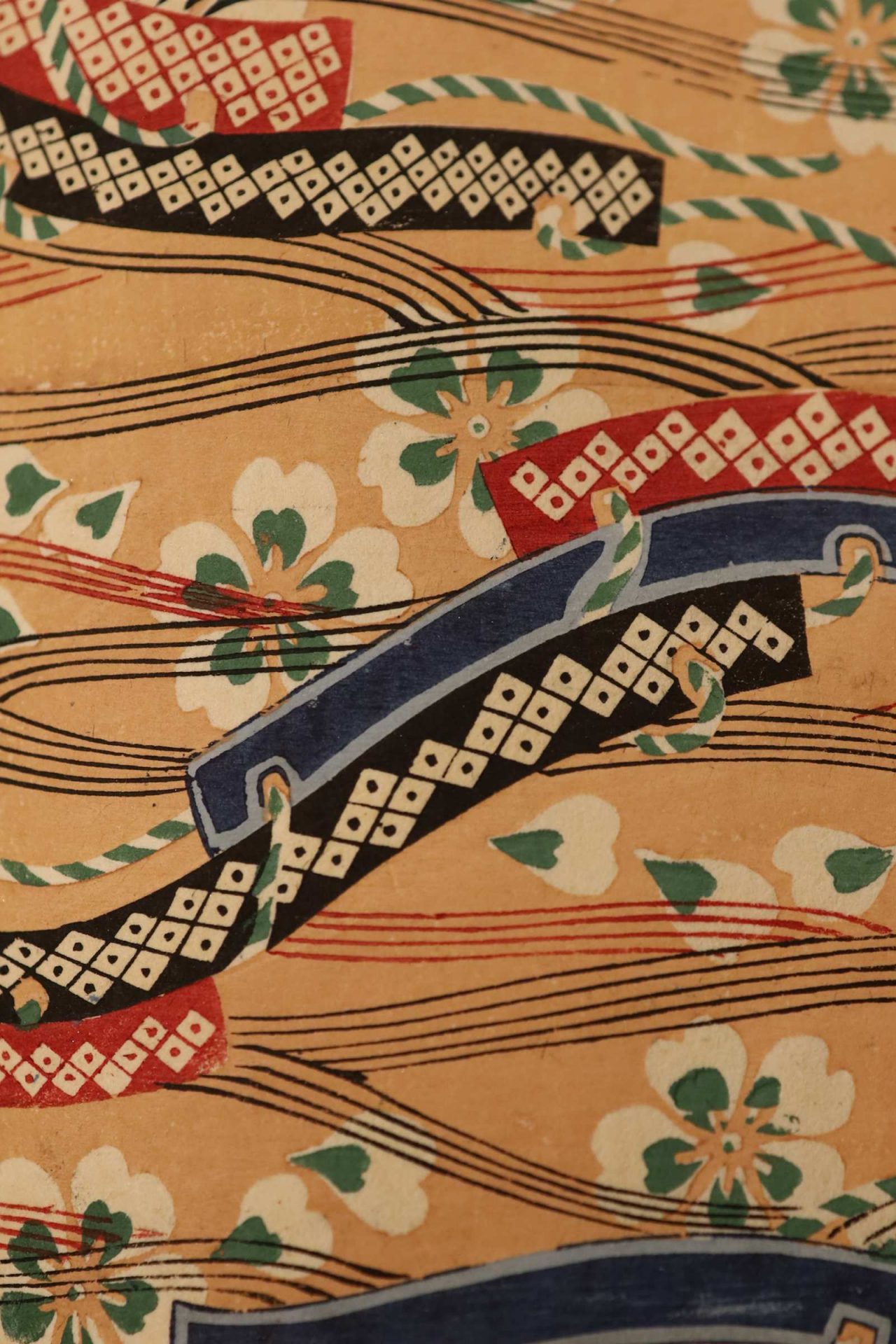
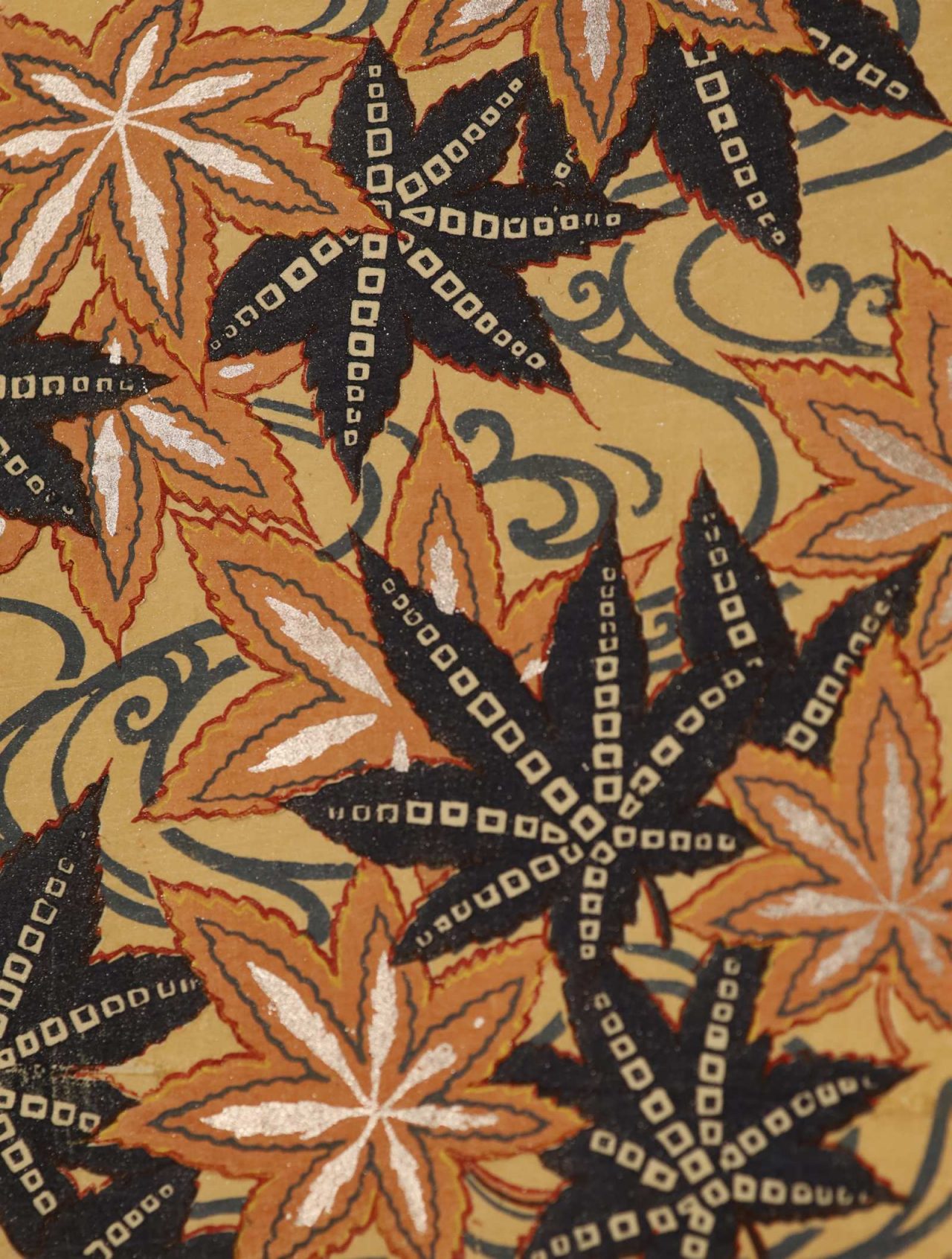
- orange
- stars
- animals
This magazine was published during a watershed period when design and pattern books were no longer merely reference guides and manuals but regarded as artworks in their own right. The vibrant patterns in the magazine were created to inspire makers working in textiles, lacquerware, ceramics, book designs, and more. The patterns demonstrate a fusion of traditional Japanese aesthetics and modern influences, such as the Art Nouveau movement in 1890s.
This rare seven-volume set serves as a comprehensive guide to Japanese design during the first third of the 20th century. It is also an important primary resource for teaching and research in art history, decorative art, textile design, and cross‑cultural aesthetics.
Access these items
Rare Books and Special Collections (RBSC) can be accessed by staff, students and academics (using existing University credentials), as well as the general public (by registering for a free RBSC community membership).
These items can be located in the Library catalogue. Make a request to view an item, under "more options" (at least 2 business days in advance). Then visit the Rare Books and Special Collections Reading Room during opening hours to view.
Teach with these items
The Library's extensive Rare Books and Special Collections are available to support research and education, through activities including:
- Academic-led classes
- Library-led classes / Object Based Learning (OBL)
- using digitised content
Related information
Contact
Please email enquiries to cultural.collections@usyd.libanswers.com